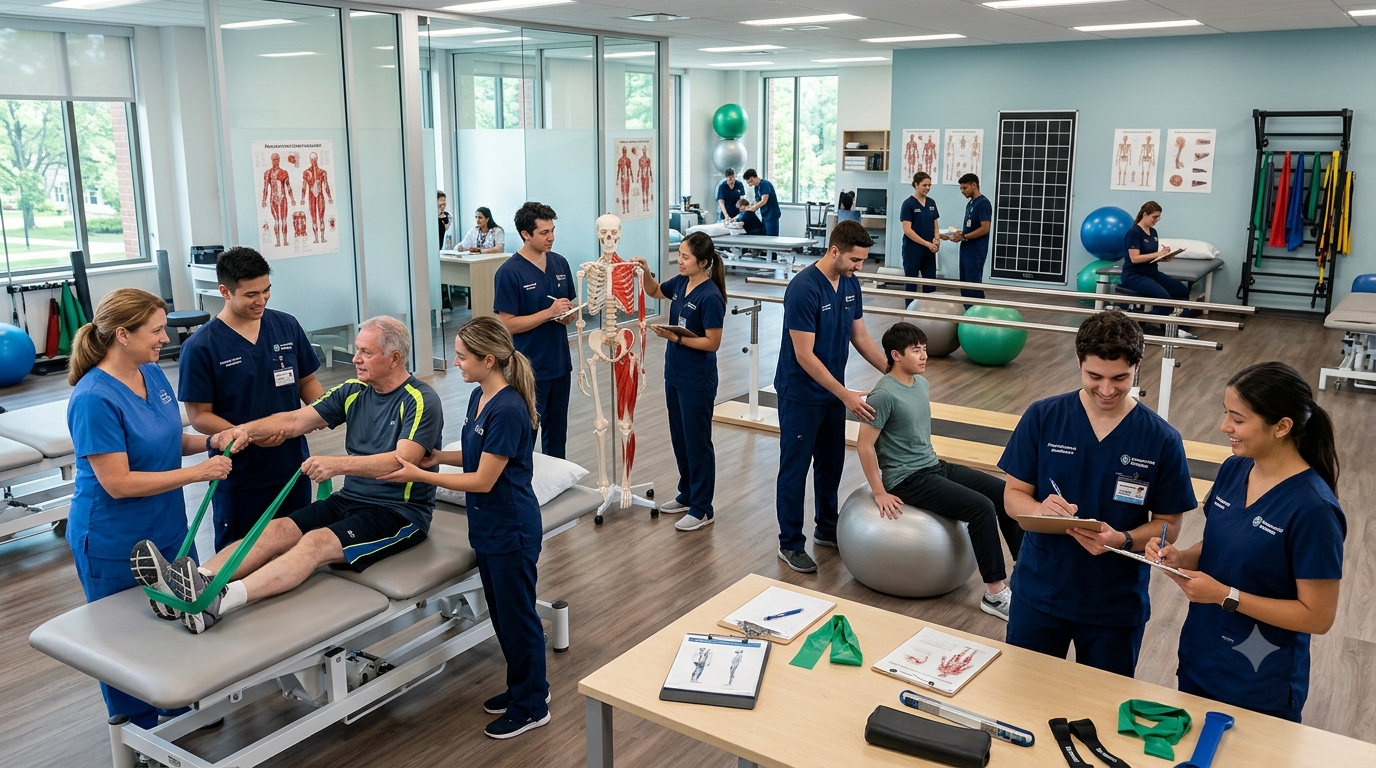
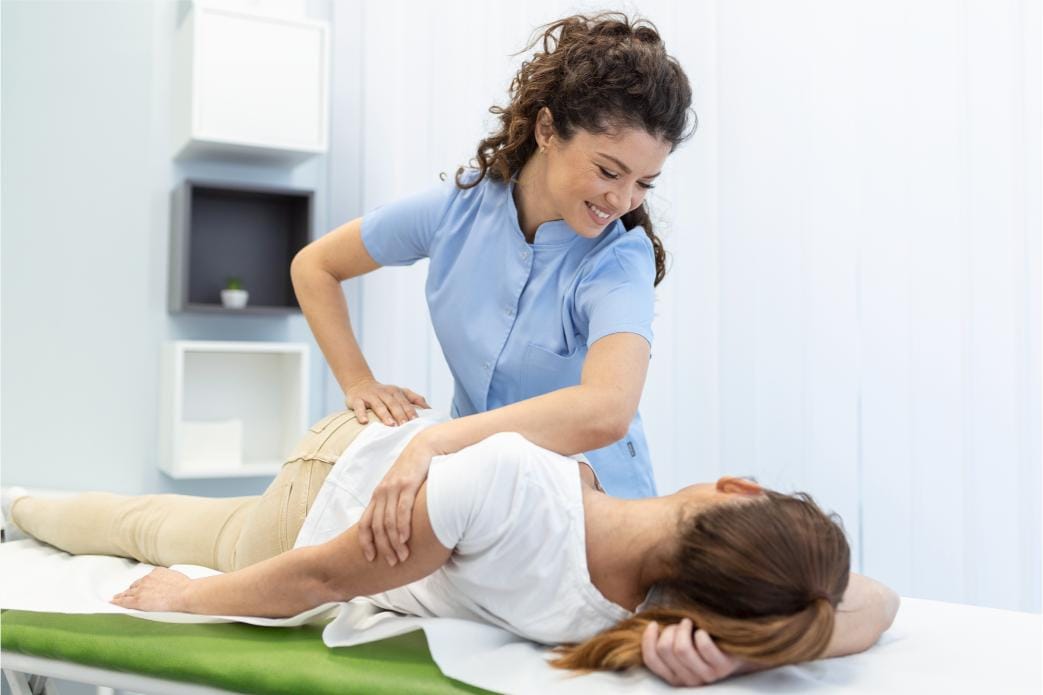
Bachelor of Physiotherapy (BPT) is an undergraduate healthcare program focused on restoring movement, reducing pain and improving quality of life through exercise therapy, manual techniques, rehabilitation and patient education. It sits within India's allied health sciences framework, alongside courses such as BSc Nursing and Bachelor of Occupational Therapy (BOT).
Students study human anatomy, physiology, biomechanics, orthopaedics, neurology, cardiopulmonary rehabilitation and community-based care, supported by practical sessions and supervised clinical training in hospitals and physiotherapy labs.
A comprehensive 4.5-year undergraduate allied healthcare programme that combines classroom learning, practical training and supervised clinical education & rotatory Hospital Internship in physiotherapy.
A 2-year advanced postgraduate program providing deep clinical mastery in sub-specialties like Orthopaedics, Sports Rehabilitation, Neurology, and Critical Care Physiotherapy.
| Particulars | Undergraduate Degree (BPT) | Postgraduate Degree (MPT) | Doctorate Degree (PhD) |
|---|---|---|---|
| Course Name | Bachelor of Physiotherapy (BPT) | Master of Physiotherapy (MPT) | PhD in Physiotherapy |
| Course Level | Bachelor | Master | Doctorate |
| Duration | 4.5 Years | 2 Years | 3–4 Years |
| Eligibility | 10+2 with minimum 50% aggregate marks. | Bachelor's Degree (BPT) with min 50% aggregate. | Master's Degree (MPT) with min 50% aggregate. |
| Examination Mode | Semester-Wise | Year-Wise | Year-Wise |
Follow these simple steps to complete your BPT admission process smoothly and confidently.
Share your basic admission requirements with us.
Provide your academic qualification details.
Explore colleges matching your requirements.
Compare eligibility, fees and other key factors.
Proceed with the application to your Choosen college.
Complete the required admission formalities.
Gain practical exposure to clinical environments and understand how physiotherapy services are delivered in healthcare settings.
Observe and participate in outpatient physiotherapy assessment and treatment under appropriate clinical supervision.
Understand rehabilitation principles and support patients working towards improved mobility and functional independence.
Learn clinical assessment approaches including history taking, physical examination and functional evaluation.
Develop practical understanding of therapeutic exercises, mobility training and functional rehabilitation techniques.
Gain academic and practical exposure to commonly taught electrotherapy modalities used in physiotherapy practice.
Develop understanding of common musculoskeletal conditions, movement problems and rehabilitation approaches.
Learn rehabilitation principles relevant to neurological conditions and functional movement limitations.
Work in clinical settings supporting assessment, treatment and rehabilitation of patients.
Explore sports-related rehabilitation, injury management and performance support with suitable additional training.
Build a career in hospitals and healthcare facilities across relevant physiotherapy departments.
Work in rehabilitation-focused settings supporting recovery, mobility and functional independence.
Explore private clinical practice subject to applicable registration, professional and local requirements.
Provide physiotherapy services in home-based care environments where such services are available and appropriate.
Explore opportunities in fitness, wellness and movement-focused services with relevant skills and certifications.
Pursue relevant postgraduate programmes, certifications or specialised training based on your career goals.
After completing BPT, graduates can consider relevant master's programmes such as physiotherapy specialisations and other postgraduate study options offered by eligible institutions. Additional certifications or specialised training may also be considered depending on the chosen area of practice.
Availability, eligibility, admission requirements and professional recognition can vary by programme and institution. Check the current requirements before choosing a higher-study pathway.
Physiotherapy salaries vary significantly based on qualification, experience, employer, location, area of practice and professional responsibilities.
Additional qualifications and specialised education may influence the roles and opportunities available to a professional.
Professional experience can influence responsibilities, role level and career progression over time.
Compensation can differ between hospitals, clinics, rehabilitation centres, wellness organisations and other employers.
Salaries can vary across cities, regions and local employment markets.
Career opportunities may differ across clinical, sports, rehabilitation, wellness and other practice areas.
Continuous learning, practical skills, specialisation and professional development can support long-term career growth.
In Maharashtra, NEET UG qualification is mandatory for all Govt and Private colleges participating in State CET Cell CAP counselling. In Karnataka (RGUHS), NEET is required for government quota seats via KEA, while private management quota seats primarily require 10+2 with Physics, Chemistry, and Biology (minimum 50% aggregate for General, 40% for Reserved categories).
Candidates must have passed 10+2 / Higher Secondary examination with English, Physics, Chemistry, and Biology. General category candidates need at least 50% marks in PCB combined, while SC/ST/OBC category candidates require a minimum of 40% aggregate.
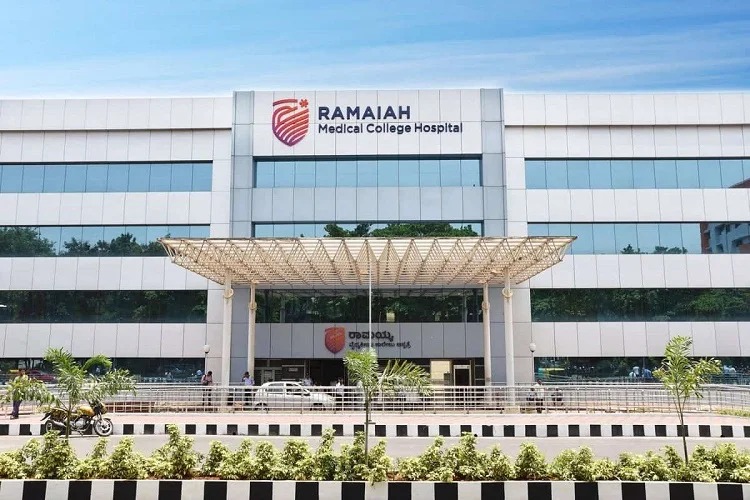
Bangalore is governed by Rajiv Gandhi University of Health Sciences (RGUHS), one of Asia’s largest health sciences universities. Bangalore institutions boast massive multi-specialty hospital attachments (like Ramaiah, KIMS, Bowring), high clinical OPD exposure, and English-medium instruction.
The annual tuition fee for BPT in top Bangalore colleges ranges between ₹1,80,000 and ₹2,80,000 per year depending on college ranking, hospital facilities, and campus infrastructure.
Admission to MUHS-affiliated private and government physiotherapy colleges in Maharashtra is conducted through the Maharashtra State CET Cell CAP counselling rounds based on NEET UG score. Deemed universities like Dr. D.Y. Patil and MGM conduct their own merit rounds.
Leading institutions include Sancheti College of Physiotherapy (Pune), Dr. D.Y. Patil Vidyapeeth (Pune), Seth GS Medical College / KEM Hospital (Mumbai), MGM School of Physiotherapy (Navi Mumbai), and Krishna Institute (Karad).
Yes, as per guidelines established under the National Commission for Allied and Healthcare Professions (NCAHP) Act, licensed physiotherapists are recognized medical rehabilitation professionals and commonly use the clinical prefix "Dr." along with the suffix "(PT)".
Yes! After completing your 4.5-year BPT degree (4 years coursework + 6 months compulsory rotatory internship) and obtaining registration, you are legally entitled to set up your independent physiotherapy clinic or consult at hospitals.
BPT is a 4.5-year full-time professional degree consisting of 4 academic years (comprising 26 core medical subjects and practical examinations) followed by 6 months of mandatory rotatory clinical hospital internship.
We provide end-to-end guidance including college shortlisting, fee negotiation assistance, direct institutional management quota reservation, hostel arrangement, education loan documentation, and post-admission support.